The Future of Regenerative Agriculture and Carbon Sequestration
A Revolution in Farming
Regenerative agriculture represents a paradigm shift in how we produce food. Unlike conventional farming, which often depletes soil health, regenerative practices rebuild organic matter and restore biodiversity while capturing atmospheric carbon.
Core Principles of Regenerative Agriculture
Regenerative agriculture is built on several foundational practices:
- Minimal Soil Disturbance: Reducing or eliminating tillage to maintain soil structure
- Crop Diversity: Growing multiple crop species to improve resilience
- Continuous Living Roots: Keeping soil covered with plants year-round
- Integrating Livestock: Managed grazing to cycle nutrients
- Composting and Mulching: Adding organic matter to build soil carbon
The Carbon Sequestration Potential
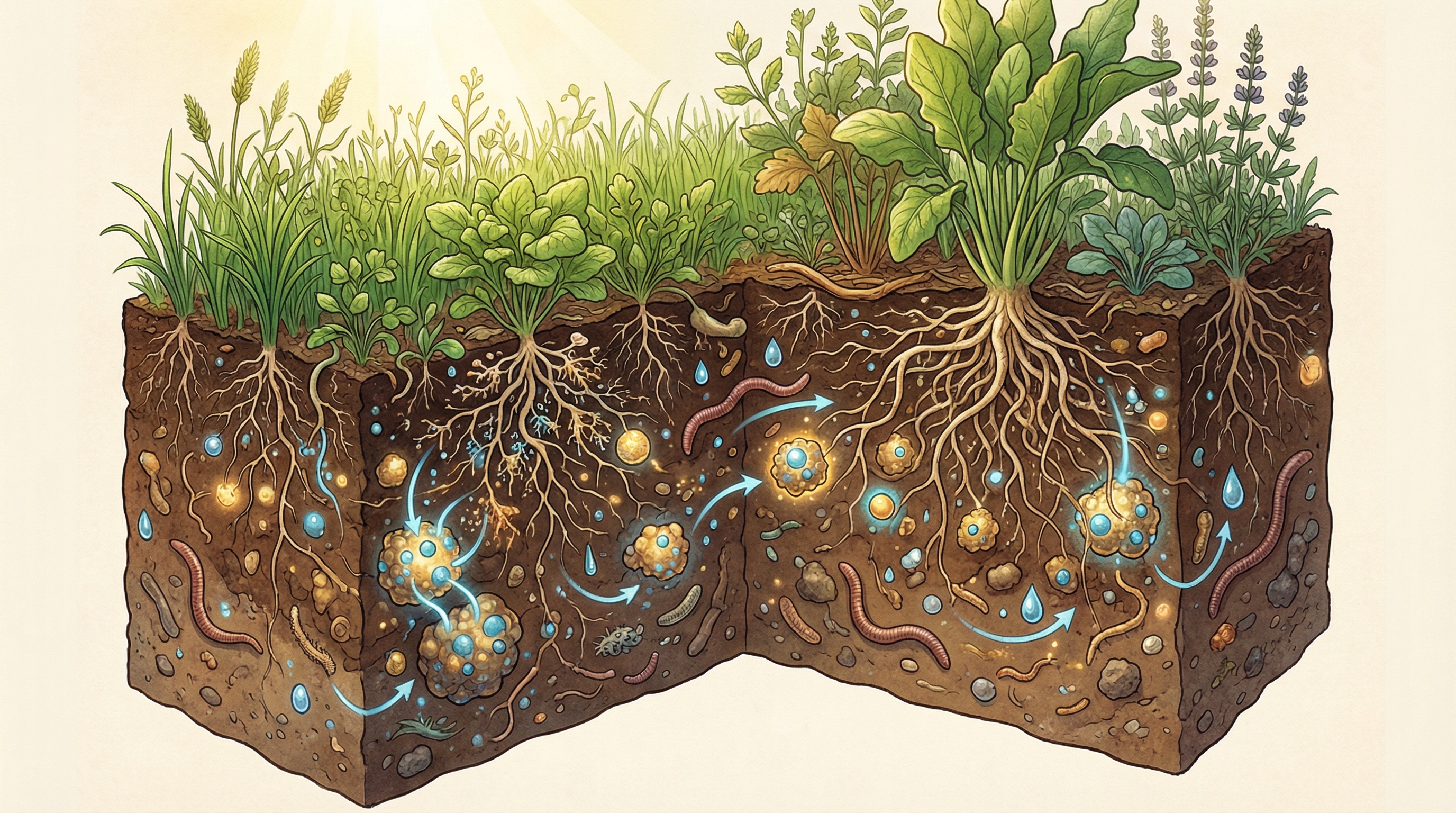
Healthy soils are one of the largest carbon sinks on Earth. Through photosynthesis, plants capture CO₂ from the atmosphere and, through regenerative practices, this carbon can be stored in the soil for decades or even centuries.
Studies show that regenerative agriculture can sequester between 0.3 to 1.5 tons of CO₂ per hectare per year, depending on practices and environmental conditions.
Beyond Carbon: The Co-Benefits
Regenerative agriculture delivers impacts far beyond carbon sequestration:
- Improved Water Retention: Healthy soils can hold more water, increasing drought resilience
- Enhanced Biodiversity: Creating habitats for beneficial insects, birds, and microorganisms
- Increased Yields: Over time, healthier soils produce more abundant harvests
- Farmer Livelihoods: Reduced input costs and access to carbon markets
- Water Quality: Less runoff and erosion protect downstream ecosystems
Measuring and Verifying Soil Carbon
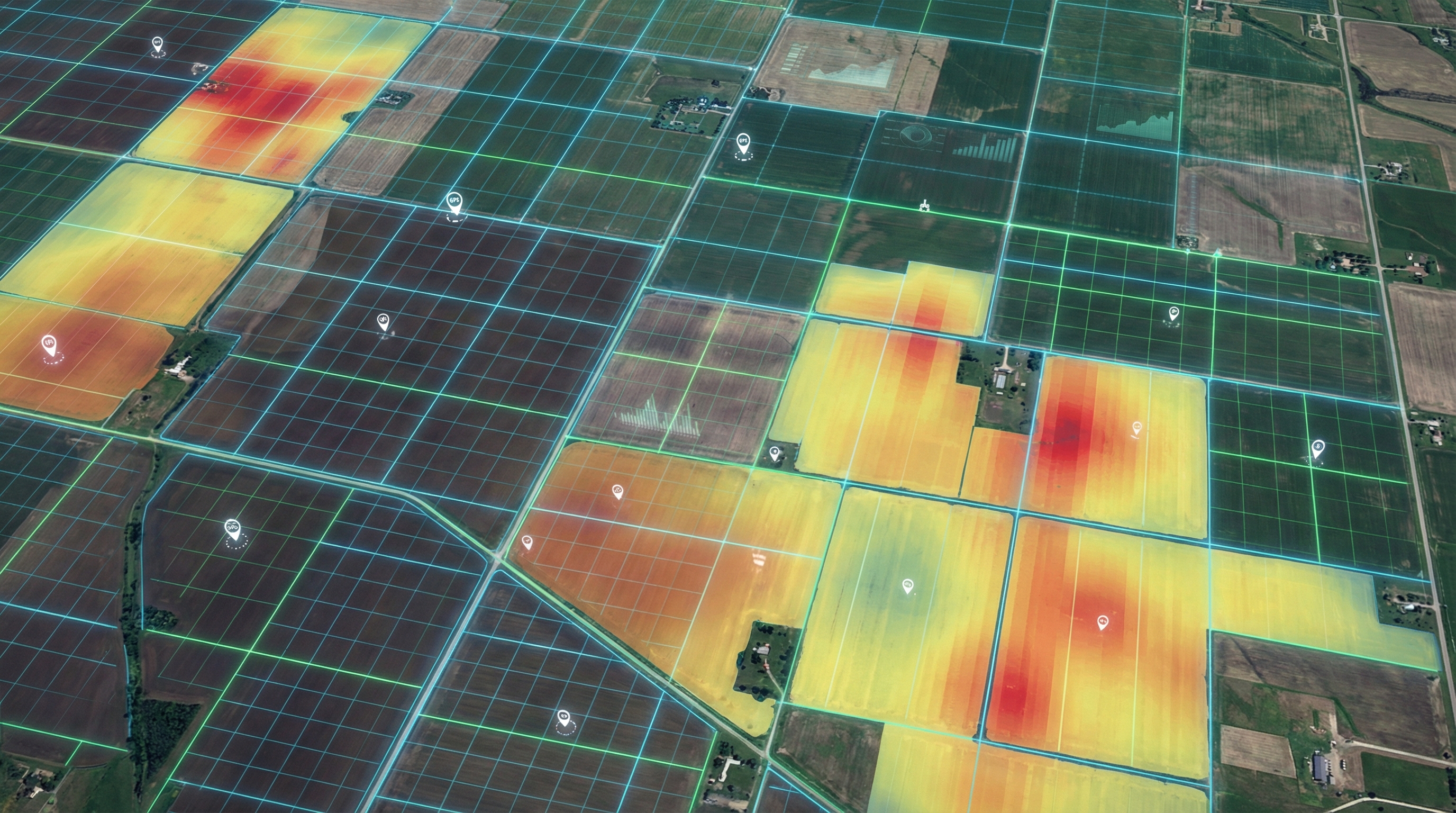
One of the challenges in scaling regenerative agriculture is accurately measuring soil carbon changes. New technologies are emerging to address this:
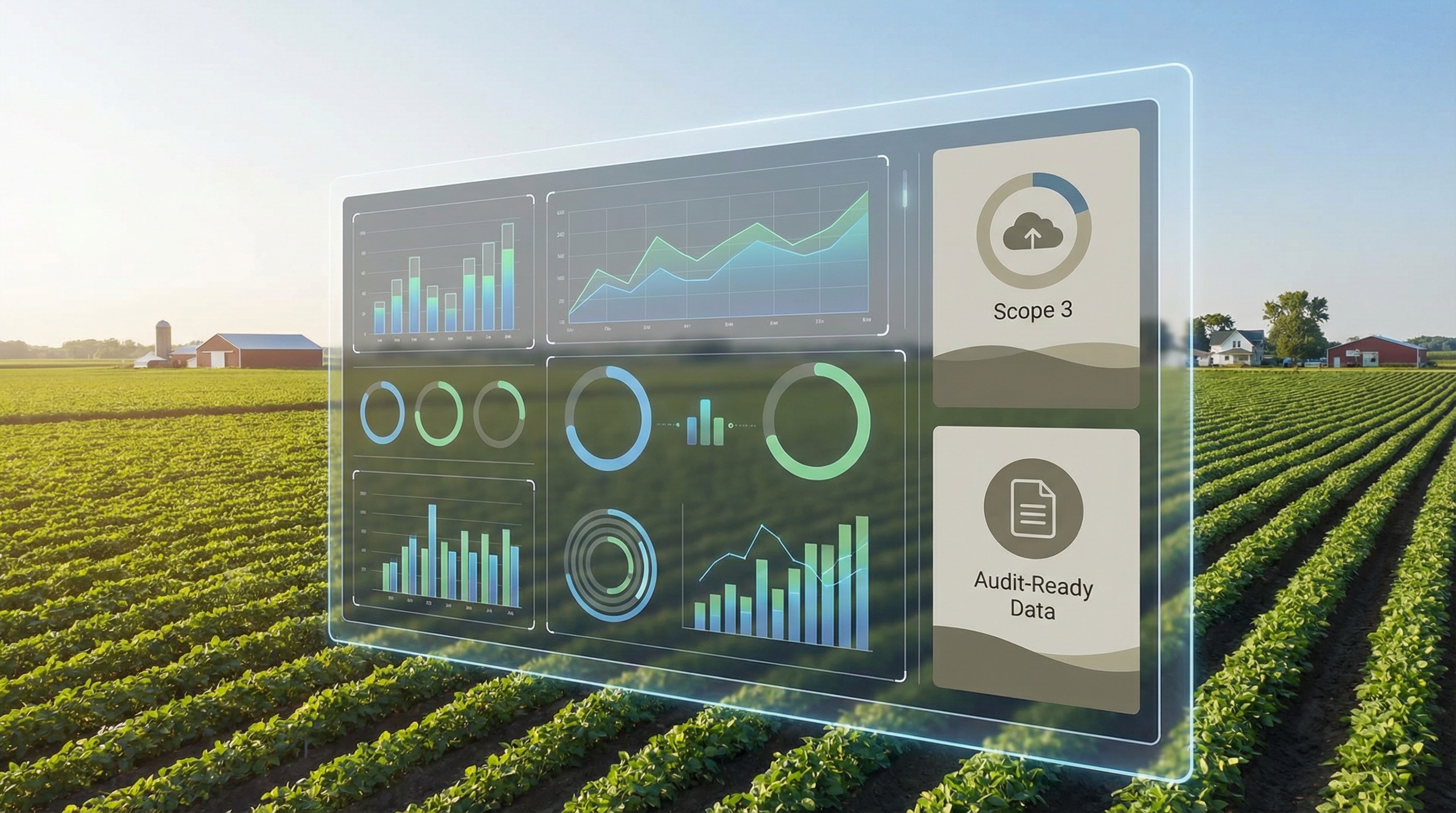
- Remote sensing and satellite imagery
- Soil sampling protocols and laboratory analysis
- Predictive modeling using machine learning
- IoT sensors for real-time monitoring
Scaling Regenerative Agriculture
To realize the full potential of regenerative agriculture, we need:
- Farmer Education and Support: Training programs and peer-to-peer learning
- Financial Incentives: Carbon credits and payment for ecosystem services
- Policy Support: Government programs that reward sustainable practices
- Corporate Procurement: Companies sourcing from regenerative farms
- Consumer Awareness: Demand for regeneratively grown products
The Path Forward
Regenerative agriculture is not just about farming—it's about restoring the relationship between humans and the land. As climate change accelerates, these practices offer a hopeful path to feed the world while healing the planet.
The future of agriculture is regenerative, and the transition is already underway. By supporting farmers, investing in innovation, and choosing regenerative products, we can all play a role in this transformation.
Ready to Start Your Carbon Journey?
Let's discuss how we can help your organization achieve its climate goals with high-quality carbon solutions.
Contact Us